01
Assess digital-core maturity
Establish where the core, the data and the processes actually stand — evidence first, roadmap second.
A twin is simply a living, data-fed model of something real — current enough to trust and detailed enough to test decisions against.
"Most organisations model and stop."
Living models, built and maintained by agentic AI and process intelligence — modelled and managed.
"The gap between the official process and the actual one is where cost, delay and risk live."
The twin reveals it — in the data, not the manual.
"The number-one reason enterprise AI fails is missing context."
The twins are the context enterprise AI is usually missing.
Each technology behind the twins has its own page — what it is, when we apply it, and the proof behind it. Start wherever your question sits.
ARIS, SAP Signavio and Celonis — modelling, mining and continuous monitoring on your own event data.
“How does the work actually run?” Explore → 02S/4HANA value governance, clean-core architecture and BTP automation patterns — innovation at the edge.
“Will the ERP investment pay?” Explore → 03Readiness, operating-model design and assurance for AI and agentic systems, against the obligations already dated.
“What is the agent allowed to do?” Explore → 04Living models of physical assets — fed by EAM, IoT and SAP data, with the AMDT accelerator and QDIS diagnostics.
“Is this asset worth the capital?” Explore →01 · The process twin. A living model of how your work actually flows — orders, approvals, hand-offs, exceptions — rebuilt continuously from the systems you already run. It shows the process you have, not the one in the manual.
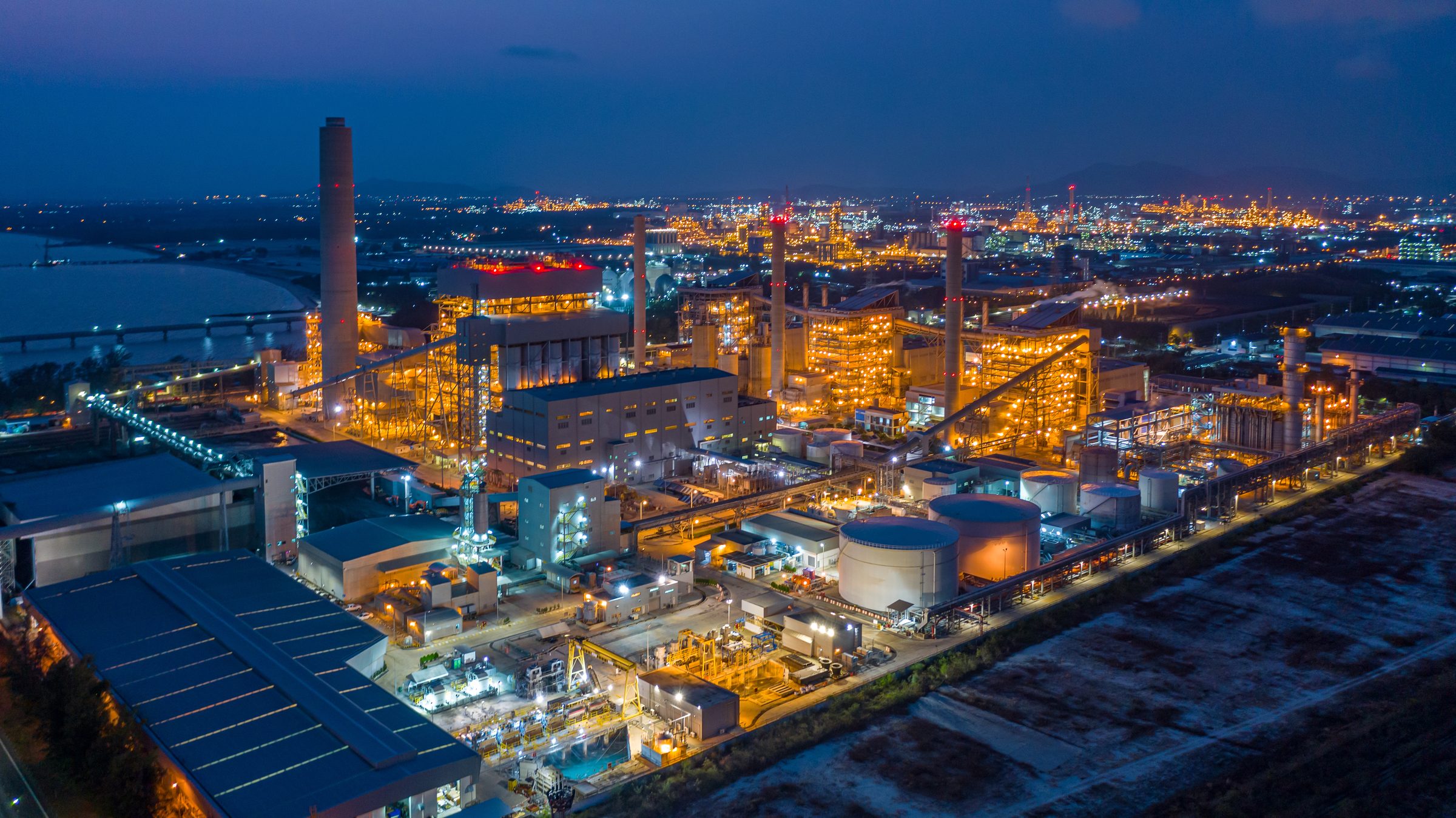
02 · The digital twin of the asset. A living model of the physical thing — its condition, configuration and history — current enough to trust for capital, maintenance and risk decisions before money is committed.
The asset twin is fed, not drawn: we integrate operational technology, IoT telemetry, EAM and SAP systems, and analytics into synchronised, data-driven operations across asset management, manufacturing and supply chains — what industry calls Industry 4.0. The result is connected assets, improved reliability and uptime, and a scalable foundation for automation.
The technologies are instruments, not categories. Each one feeds the twins; the twins carry the operational context; the context is what makes automation and AI safe to trust — and what makes the value provable afterwards.
Modern enterprises cannot scale intelligence on unstable foundations. Before automation or AI is layered on, four conditions must hold:
Only then can innovation scale safely. This is the architectural statement of AI readiness.
Most organisations model and stop — the diagrams go stale the day they are published. Agentic AI and process intelligence now build and maintain the models themselves, and turn them into a living decision-support system. From zero to a full process twin in a six-to-eight-week AI-enabled sprint.
And process mining's real value is not one-time discovery but continuous monitoring — bottlenecks detected in real time, drift identified before performance degrades, and control-tower reporting that lets leadership manage performance instead of reacting to it.
See the Live Process View demo →Establish where the core, the data and the processes actually stand — evidence first, roadmap second.
Remove the workarounds and customisations that make every change risky, so the platform can be trusted.
Innovation at the edge through modular, governed extensions — SAP BTP where the estate is SAP-centric.
Layer intelligence onto the stabilised structure — in the workflows where impact is measured, not piloted in a lab.
Keep value governed month after month — benefits, adoption and decisions on a running rhythm.
Inside the Value Realisation Office →Two live demonstrations: the asset-value model and the Live Process View — play with condition, risk and mined performance on running models.